
Why does Katara's brother have a shaved head?
Katara's brother, Sokka, shaves his head as a cultural tradition and a sign of maturity and leadership within the Water Tribe. It's a common practice among the men of the Water Tribe, symbolizing their readiness to take on responsibilities and represent their community. Sokka, being the older brother and a warrior, adheres to this tradition as a reflection of his role and duty within his tribe.

Do you know why Sokka is sexist?
Sokka, a character from the animated TV series "Avatar: The Last Airbender," has been criticized for displaying sexist attitudes and behaviors at various points in the series. These criticisms stem from instances where he belittles or underestimates female characters based on their gender.
However, it's important to note that Sokka undergoes significant character development throughout the series. He begins with some sexist attitudes but learns and grows over time, ultimately becoming a more respectful and understanding individual. As the show progresses, Sokka forms deep relationships with powerful and capable female characters, which challenges his initial biases and stereotypes.
The show creators, Michael Dante DiMartino and Bryan Konietzko, have acknowledged the early instances of sexism in Sokka's character and have emphasized that they intended for him to evolve and learn from his mistakes as the series unfolded.
Is Fire Nation more advanced out of all the tribes?
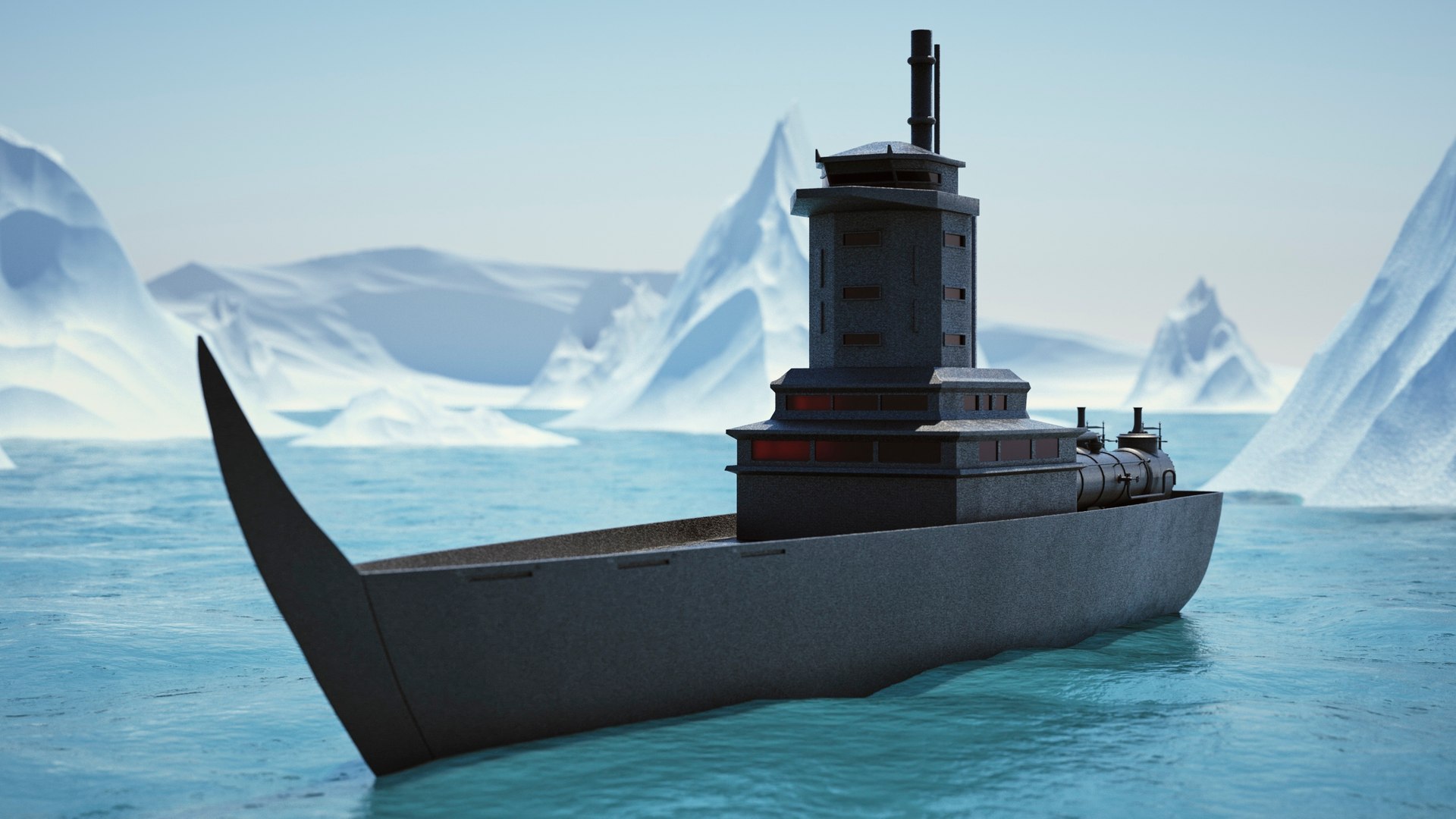
In the world of "Avatar: The Last Airbender," each nation—Water Tribe, Earth Kingdom, Fire Nation, and Air Nomads—has its own unique culture, technology, and bending abilities. The Fire Nation is depicted as technologically advanced, particularly in terms of industrialization and military capabilities.
They have developed machinery, steam-powered ships, tanks, and various other advanced technologies. This technological advancement often gives them an advantage in warfare and contributes to their ambition for expansion and dominance over the other nations.
However, it's important to note that "advanced" doesn't necessarily mean "morally superior" or "better." The show often explores the consequences of the Fire Nation's advanced technology, highlighting the importance of balance and harmony rather than simply focusing on progress and power.

Why do Appa and Aang have arrows on their heads?
The arrows on Appa and Aang's heads are an iconic and significant part of their design and culture. These arrows are a representation of their unique bond with the Air Nomads and the ability to airbend.
For Appa, the flying bison and loyal companion to Aang, the arrow on his forehead signifies his connection to airbending. In the show's lore, the flying bison were the first airbenders and played a crucial role in air nomad society. The arrow is a visual cue that Appa has the ability to control and manipulate air currents, allowing him to fly and perform other airbending feats.
As for Aang, the last Airbender and the Avatar, the arrow on his forehead represents his mastery of airbending. It is a symbol of his status as the Avatar and his unique ability to master all four elements: air, water, earth, and fire.

How is Aang not freezing when he's in the South Pole?
Aang, being the Avatar and an airbender, likely uses his airbending skills to regulate his body temperature and stay warm in the cold environment of the South Pole. Airbenders have control over the air and can manipulate its temperature to some extent. Additionally, Aang's mastery over the Avatar State might provide further abilities to sustain himself in harsh conditions. While the show doesn't delve into explicit details on this matter, it's reasonable to assume that his airbending abilities help him cope with the extreme cold.

When I was watching Appa navigate in the water, it made me think that normal animals would likely experience hypothermia. Then I thought, what if a dog was exposed to the arctic ocean like Appa. If a dog were exposed to the Arctic Ocean or any extremely cold environment and showed signs of hypothermia, it would be important to act quickly to treat the hypothermia. Hypothermia in dogs can be life-threatening and requires immediate attention. Here's how you might treat hypothermia in a dog:
Move to a Warm Area: If possible, move the dog to a warmer area away from the cold, wet environment.
Warm Blankets: Wrap the dog in warm, dry blankets to help raise its body temperature. You can also use heating pads (set on low) or warm water bottles wrapped in towels.
Warmth: Use your body heat to warm the dog. Place the dog close to your body or under your jacket to provide warmth.
Warm Fluids: Offer warm fluids to the dog, like warm water or a specially formulated electrolyte solution for dogs. Make sure it's not too hot.
Contact a Veterinarian: Contact a veterinarian or an emergency animal hospital for guidance and advice on further treatment.
It's essential to seek immediate veterinary care as hypothermia can lead to complications like cardiac arrest, organ failure, or other serious health issues. A veterinarian can provide proper assessment, treatment, and monitoring to ensure the dog's recovery from hypothermia.

The first aid principles for treating hypothermia are quite similar whether it's for a human or a dog. The primary goal is to warm the body and gradually restore a safe internal temperature. Providing warmth, insulation, and fluids are key steps in treating hypothermia for both humans and dogs. However, specific procedures and care might vary slightly based on the species and individual circumstances. It's always important to prioritize seeking professional medical help, whether for a person or a pet, especially in cases of severe hypothermia.

Why does the Water Tribe call airbending magic?
The Water Tribe referring to airbending as "magic" can be attributed to their understanding of bending and the cultural context within the Avatar universe. In the world of Avatar: The Last Airbender, each nation has its own unique bending ability tied to their respective elements: waterbending, earthbending, firebending, and airbending. These abilities are seen as a fundamental and intrinsic part of their culture and identity.
When individuals from one nation encounter a bending ability from another nation, especially one they haven't seen before, it might be described as "magic" or extraordinary due to its unfamiliarity. In the case of the Water Tribe encountering airbending, a bending art they are not familiar with, they might use terms like "magic" to convey the awe and wonder they experience when witnessing it.
The term "magic" is a way to describe something beyond their immediate understanding, and it reflects their cultural perspective and worldview. In reality, bending in the Avatar universe is a unique form of martial art and elemental manipulation, but the terminology used to describe it can vary based on cultural interpretation and perspective.
Why is Sokka not impressed with Aang's airbending abilities?
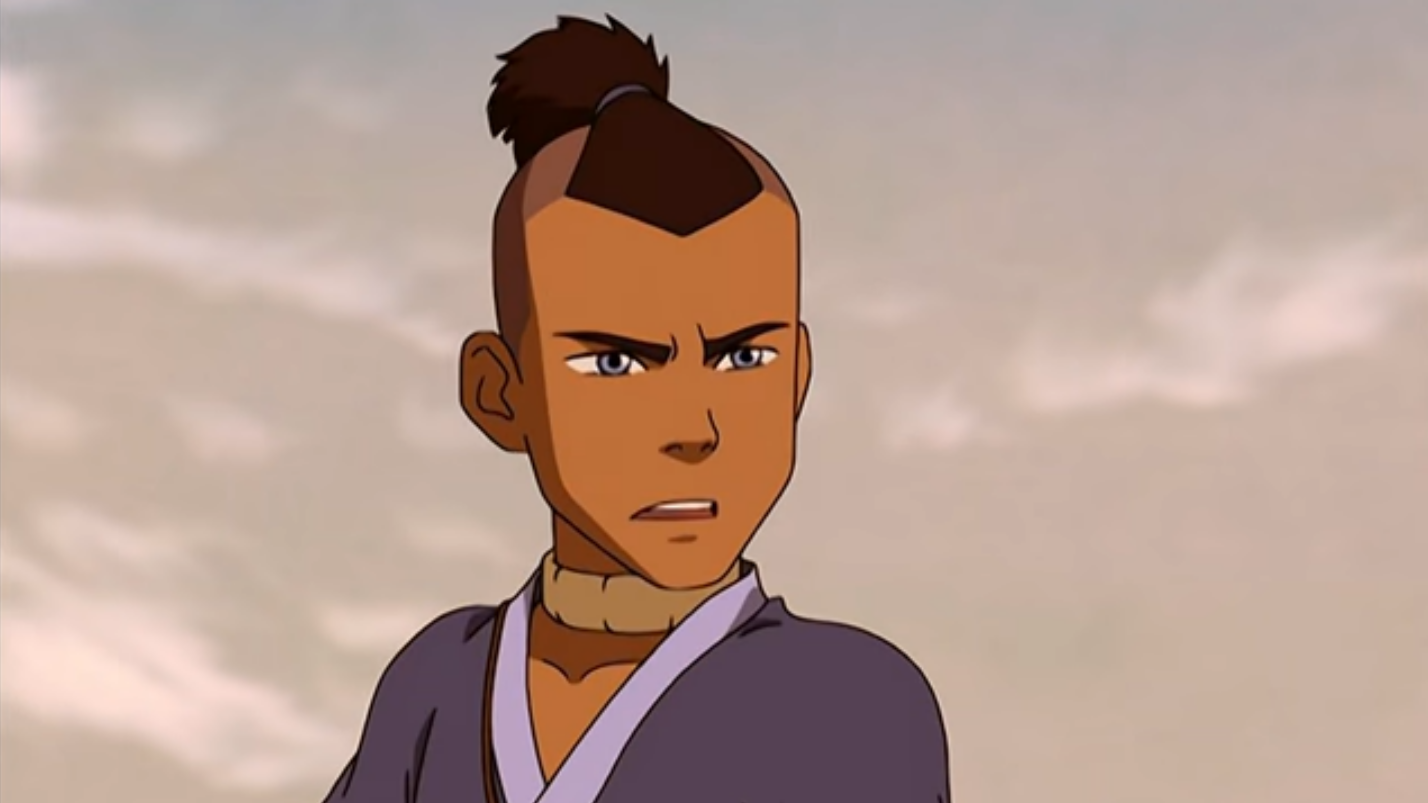
Sokka, initially, is not as impressed with Aang's airbending abilities because he's pragmatic and grounded in a different way. He's from the Southern Water Tribe, a culture that values physical strength, strategy, and more tangible combat abilities. Airbending, on the other hand, is seen as elusive and less straightforward.
Aang's airbending abilities often manifest in playful and non-confrontational ways early on, and Sokka, being a warrior and strategist, might not initially recognize its potential for combat or defense. Additionally, Sokka's skepticism may be influenced by the fact that Aang is the last known Airbender, and the Air Nomads were a nearly extinct culture, making airbending largely unfamiliar to the people of the Water Tribe.
As the story progresses and Sokka witnesses Aang's airbending skills in practical and combat situations, he begins to appreciate its value and becomes more impressed. Understanding and familiarity with airbending, Aang's growth as the Avatar, and the challenges they face together help Sokka realize the power and significance of Aang's airbending abilities.

Why did Aang encase himself and Appa in ice?
Aang, the last Airbender and the Avatar, encased himself and Appa in ice for a specific reason. When Aang learned that he was the Avatar and had the responsibility to master all four elements (water, earth, fire, and air), he was overwhelmed by the weight of this duty. Feeling pressured and afraid of the expectations placed upon him, he fled his home at the Southern Air Temple.
Aang took Appa and flew away, but a fierce storm struck, and Aang's emotions were in turmoil. In a moment of distress and panic, Aang used a special Avatar technique, the Air Nomad technique of the "Avatar State," to encase himself and Appa in an iceberg made of ice. This action was an instinctual response to protect them both and preserve them for the future.
In doing so, Aang entered the Avatar State, which allowed him to survive within the ice for a hundred years until he was later discovered by Katara and Sokka, setting the stage for the events of the series. This period of being encased in ice also inadvertently helped save him from aging, since time does not pass while in the Avatar State, allowing him to remain a twelve-year-old boy despite the century that had passed in the world.
According to the art book for this series, “We never imagined Aang and Appa were frozen solid inside the iceberg. Rather, we envisioned them floating within a hollow pocket of spiraling energy. We would have loved to show them rotating within the iceberg, but that would have been too difficult to animate.”
Why is Katara the only waterbender?
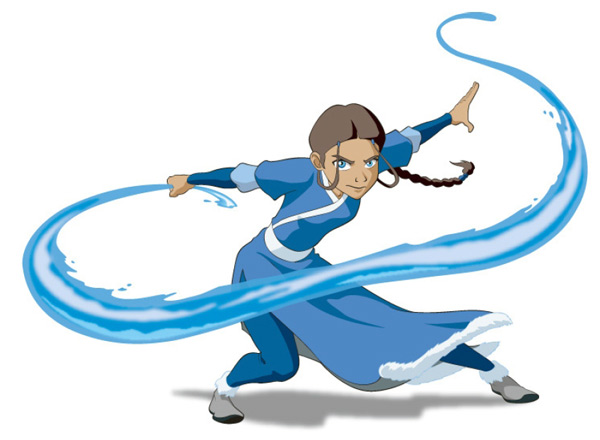
Katara is initially the only known waterbender in her tribe, the Southern Water Tribe. This scarcity of waterbenders is a result of the devastating raids and battles the Water Tribes faced, particularly during the Hundred Year War waged by the Fire Nation.
The Southern Water Tribe, in particular, suffered significant losses during these conflicts, which included the loss of many benders. As a result, there was a decline in the number of waterbenders in their community. This scarcity made Katara's discovery of her waterbending abilities even more significant.
Throughout the series, efforts are made to rebuild and preserve the culture and traditions of the Water Tribe, including the revitalization of waterbending. Katara becomes an essential figure in this process, playing a pivotal role in training and inspiring others to embrace their waterbending abilities and restore the once-dwindling population of waterbenders.
Why would waterbending be at the poles?
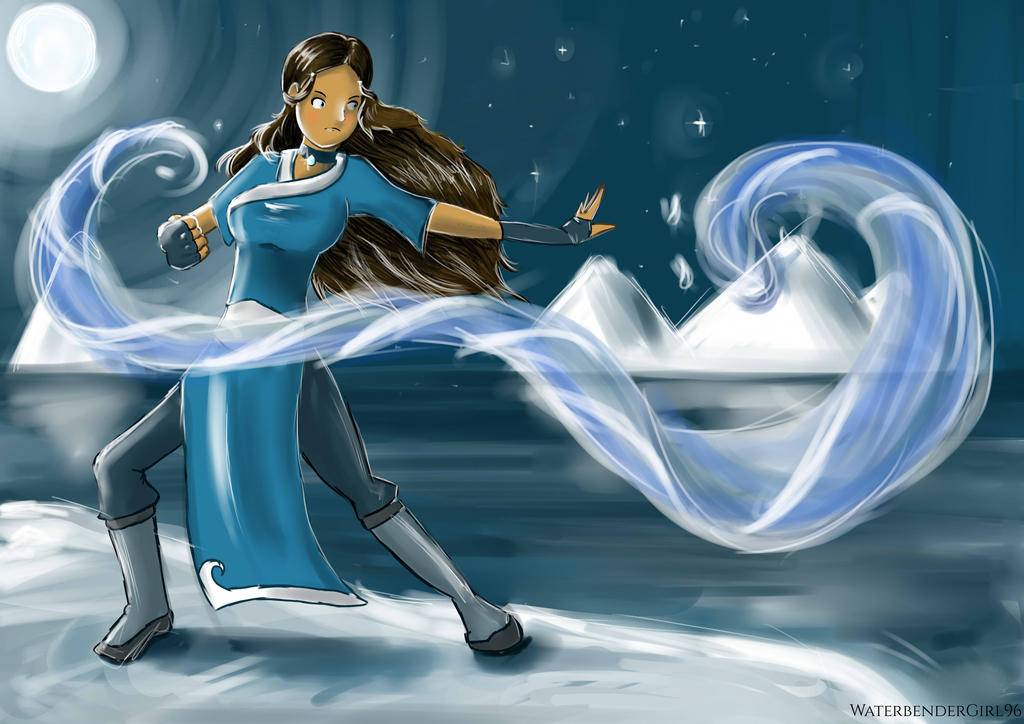
In the fictional world of "Avatar: The Last Airbender" and its sequel series "The Legend of Korra," the concept of waterbending being stronger near the poles is tied to the show's elemental philosophy and lore.
Waterbending is one of the four elemental bending arts in the Avatar universe, alongside earthbending, firebending, and airbending. Each element is associated with a different nation and is based on real-world martial arts styles and philosophies.
Waterbending draws from Tai Chi, a martial art characterized by slow, flowing movements and a focus on balance and circular motions. This bending style is closely connected to the moon and the ocean, and waterbenders often draw power from these celestial bodies.
The show's creators, Michael Dante DiMartino and Bryan Konietzko, decided that waterbending would be strongest near the poles because of the gravitational pull exerted by the moon. The poles are where the gravitational force is strongest, particularly during the full moon, which enhances a waterbender's abilities.
In the series, it's explained that the moon has a direct influence on the tides and thus amplifies the power of waterbenders, especially during the night of a full moon. This concept aligns with the real-world influence of the moon on Earth's tides due to gravitational forces.
So, the notion of waterbending being more potent near the poles in the Avatar universe is a creative interpretation based on real-world gravitational effects, integrated into the show's elemental bending system and lore.
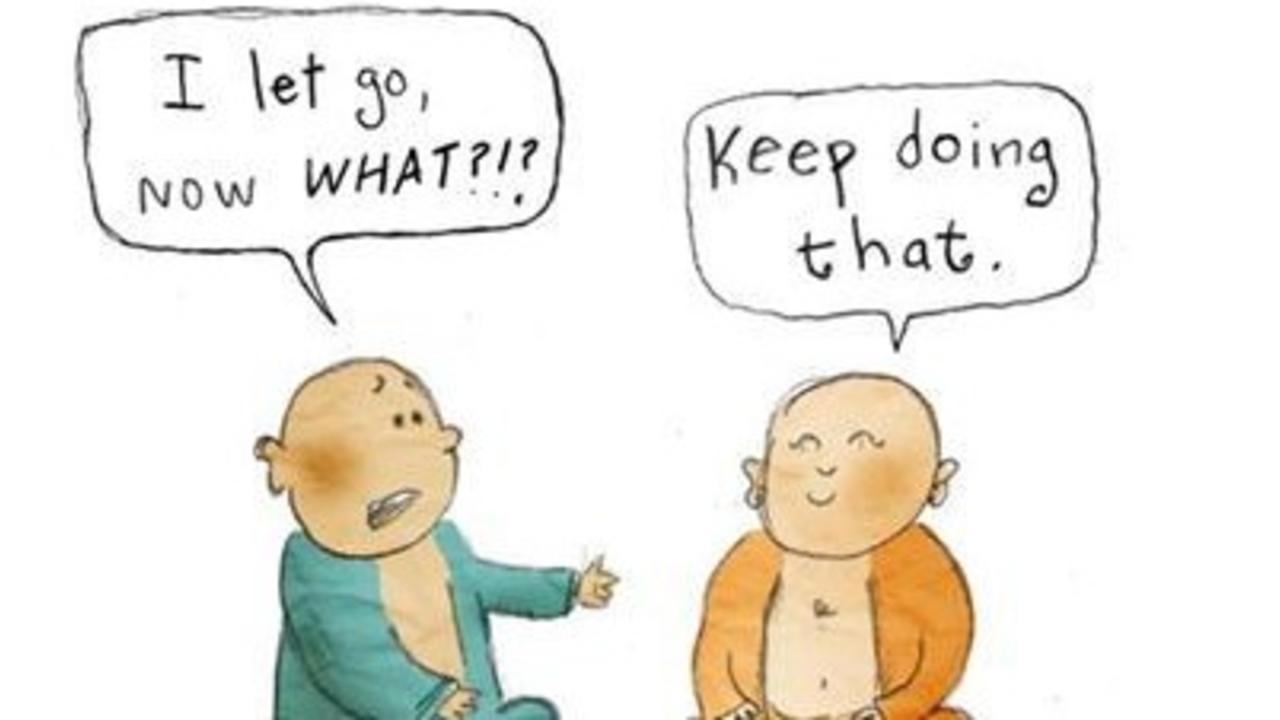
I really like this quote. “If you really want to be a bender, you have to let go of fear.” Letting go of fear is often a crucial step in any journey towards mastering a skill or overcoming challenges. It's about facing uncertainties and embracing the unknown, which is a vital aspect of growth and progress. Overcoming fear can unlock untapped potential and allow individuals to reach their fullest capabilities. It's a lesson that transcends the world of bending and applies to many aspects of life.
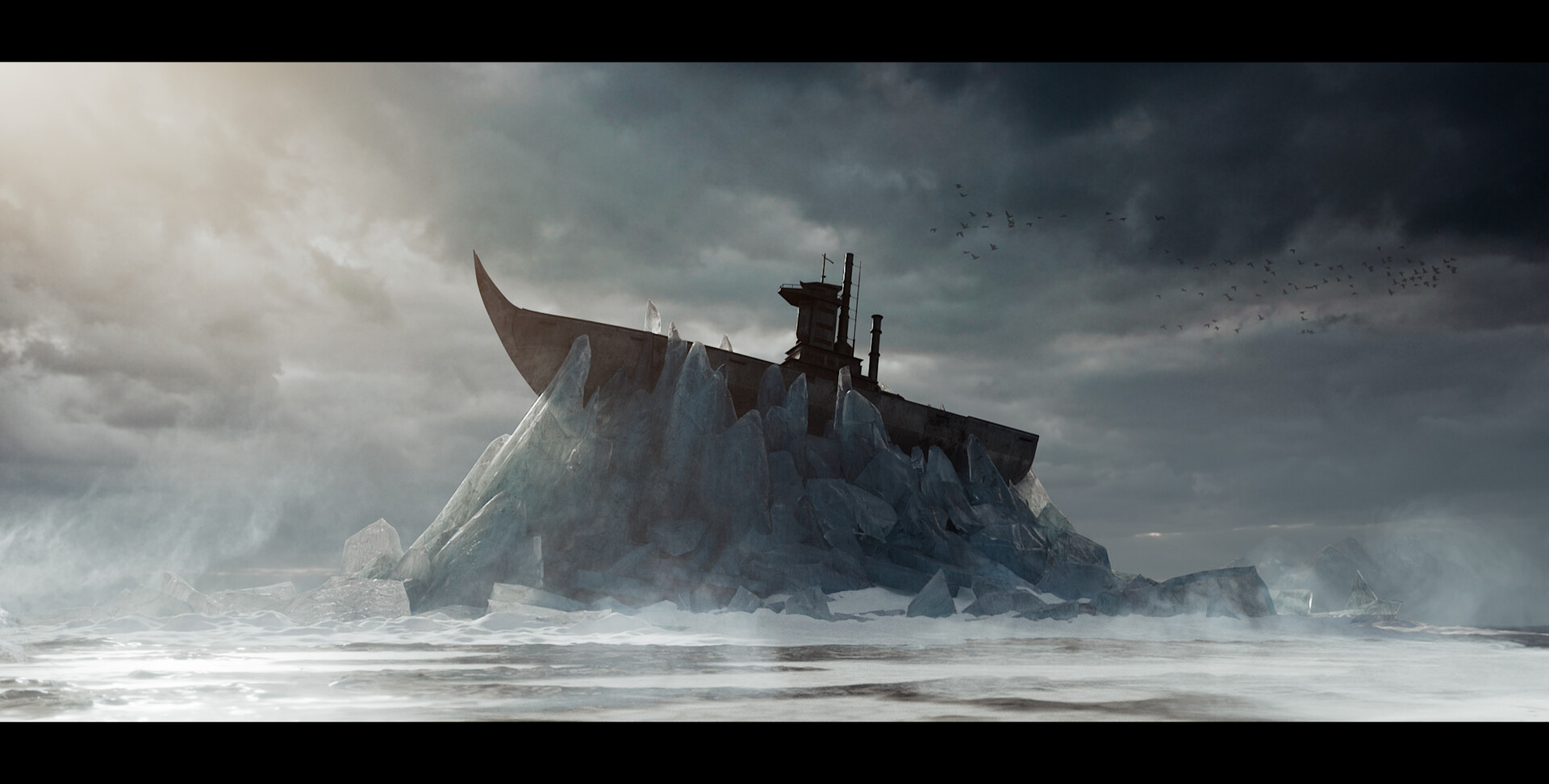
How was the booby trap still active since it's been nearly 100 years?
It's a valid question, and while the show doesn't explicitly explain why the booby trap in the ship was still active after almost a century, we can speculate. The Fire Nation was known for its advanced technology and engineering. It's possible that some traps were designed to last a long time, especially if they were magical or mechanical in nature and built with longevity in mind. Additionally, the extreme cold and isolation of the South Pole might have helped preserve the ship and its mechanisms, including the booby trap, for an extended period.
I just loved how Hobo Ryan reacted to a few segments of the episode. I thought it was very creative and funny. I love it so much that I downloaded the original video, edited it, and uploaded to my channel. I am so thankful that I have been practicing with Davinci Resolve that I know what I am doing when using the software. It has such a huge learning curve!!!! Since I have been practicing over the years, it didn't take me that long to get over a bug which wasn't allowing it upload properly. I just downloaded the program and updated it. Now, it's running normally again.

If the iceberg wasn’t super thick which held Appa and Aang, I can totally see Katara breaking it with her water bending ability instead. I don’t know why she needed the club to do it though. Ya, it makes more sense that Prince Zuko isn’t affected by how cold things are since he’s a fire bender. I can see how he can add more energy to his body to keep warm since he already controls fire. I don’t see how Aang can warm the air around him without putting more energy in the system. However, I know airbending will require a lot more energy since air is a gas and doesn’t have any structure.
So, since there isn’t any explanation of how bending really works, I am going to think that they use something like Warrens from the Malazan book series. Warrens refer to a system of magical realms or dimensions. These warrens are sources of magic and power, and they are often accessed by mages, sorcerers, and other magical practitioners. That would give the benders enough energy to change the system like creating low pressure or differences of charge for ionic wind. I would think that Aang could access it without draining him since he airbends all the time. It’s just in the Avatar world, they don’t know how to get into the realms like the Imperial Warren and travel to different places on the planet.
It would take more evidence for me to accept that I spent 100 years in an iceberg. I wouldn’t have accepted it that fast. If I would have accepted it, I would have been really upset because I wouldn’t have my family and friends.

Katara and Sokka are forced to grow up quickly due to the challenging circumstances they face in their world. The story explores their transformation from children into responsible, capable individuals as they navigate a war-torn world.
The setting of the series, where various nations are at war, and the balance of power is disrupted by the absence of the Avatar, has forced many young characters to mature prematurely. Katara and Sokka, in particular, have taken on the roles of protectors and providers for their tribe, especially after their father left to fight in the war.
Their journey is marked by a sense of duty, responsibility, and survival. This early maturation and the burdens they carry make their character development and interactions with Aang, the Avatar, even more compelling. It's one of the many layers that make "Avatar: The Last Airbender" a rich and engaging story, as it explores themes of war, loss, identity, and growth.
This fact put this exchange in much greater context:
Katara: I haven’t done this since I was a kid!
Aang: You still are a kid!
Aang's reminder that Katara is still a kid reflects his understanding of the burdens she and her brother, Sokka, have had to carry due to the ongoing war and the responsibilities they've taken on.
It underscores the theme of growing up too quickly that runs throughout the series. Aang, as the carefree and youthful Avatar, brings a different perspective to their group and serves as a reminder that, despite their circumstances, Katara and Sokka are still children who deserve moments of fun and play, like any other kids. This dynamic adds depth to their interactions and the overall storytelling in "Avatar: The Last Airbender."
What's often referred to as growing up too quickly or displaying maturity beyond one's years can actually be a result of neglect and abuse. In many cases, children grow up in environments where they experience neglect and abuse that forces them to assume adult-like roles. This goes beyond simply being responsible for themselves; they may end up caring for their siblings and other family members as well. This phenomenon occurs because parents place unfair responsibilities and unrealistic expectations on their children. Growing up too fast or showing an advanced level of maturity is sometimes mistakenly viewed as a neutral or positive trait. However, in reality, it can become a kind of psychological confinement imposed by caregivers. Children are expected to be flawless, meet unattainable standards, or conform to roles that don't naturally belong to them.

From the introduction, the viewers are anticipating the arrival of a legendary hero emerging from the iceberg, prepared to rescue the world. However, what they get is a carefree kid who has no idea that he's been trapped underwater for more than a century, and that his very existence led to the genocide of his own people.
Between Aang, Sokka, and Katara, their lived reality is super depressing. Aang just lost his friends and family. Sokka and Katara are the only people that can defend the water tribe. However, Katara doesn’t know how to use and control her waterbending ability and Sokka is super cocky. Like mentioned before, he doesn’t care about his sister’s magical abilities which is a huge oversight. He much rather be training small children which is super dumb. However, he’s a child himself so I don’t think I can ask for that much. However, Gran-gran could be helping out in managing the tribe and figuring out how to best defend it. I am thinking if the Fire Nation was such a threat, the whole tribe should have gone with the men since they can’t really protect themselves. Probably, Sokka and Katara were too young to understand this, but Gran-gran should have stepped up and advocated for the children.

